
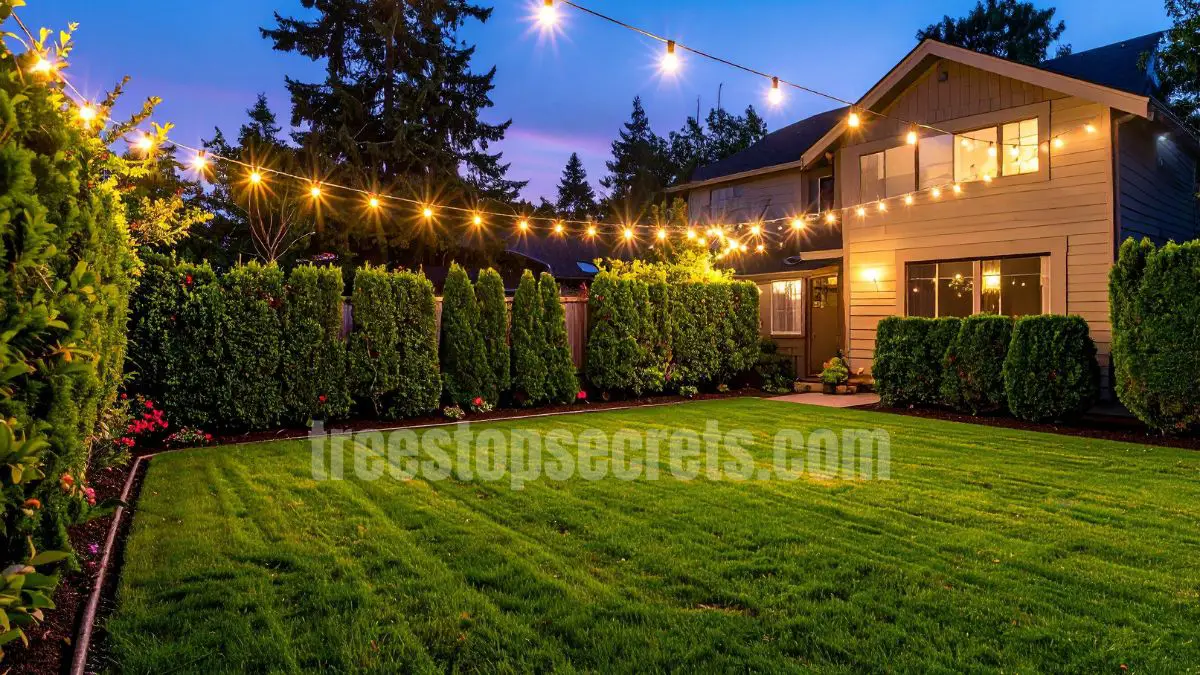
Planting trees is one of the most natural and attractive ways to create privacy in your yard. Instead of building a fence or wall, many homeowners choose fast growing trees that form a living screen. These trees not only block views from neighbors but also add shade, reduce noise, and bring more wildlife into the landscape.
Some species can grow several feet each year. In many cases, a young tree planted today can become a tall privacy barrier in just a few seasons. The key is choosing the right tree for your climate, soil, and available space.
In this guide, you’ll discover 15 fast growing trees for privacy, including their growth rates, appearance, and where they grow best. By the end, you’ll have a clear idea of which trees can quickly transform your yard into a more private and peaceful space.
Quick Answer: Best Fast Growing Privacy Trees
- Green Giant Arborvitae
- Leyland Cypress
- Hybrid Poplar
- Silver Maple
- Dawn Redwood
Quick Overview: Fast Growing Trees for Privacy
Before looking at each tree in detail, here’s a quick comparison of several popular privacy trees and how quickly they grow. Growth rates can vary depending on soil, water, and climate, but these numbers give a helpful general idea.
| Tree Name | Type | Growth Rate | Mature Height |
| Green Giant Arborvitae | Evergreen | 3–5 ft per year | 40–60 ft |
| Leyland Cypress | Evergreen | 3–4 ft per year | 60–70 ft |
| Hybrid Poplar | Deciduous | 5–8 ft per year | 40–50 ft |
| Lombardy Poplar | Deciduous | 4–6 ft per year | 40–60 ft |
| Silver Maple | Deciduous | 3–5 ft per year | 50–70 ft |
| Weeping Willow | Deciduous | 3–4 ft per year | 30–50 ft |
These trees are commonly planted along property lines to create a natural privacy screen. Some stay dense year-round, while others lose their leaves in winter but still provide good height and coverage.
Field Tip:
If year-round privacy is important, choose evergreen trees like arborvitae or cypress. Deciduous trees grow quickly but lose their leaves in winter.
1. Green Giant Arborvitae
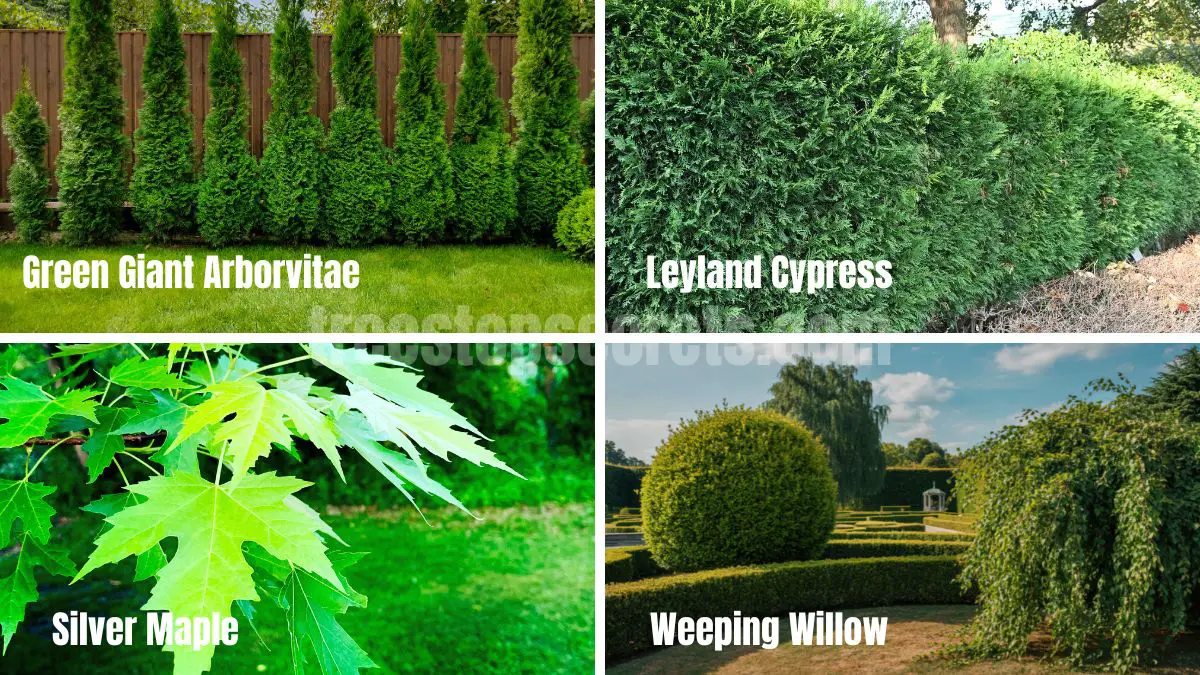
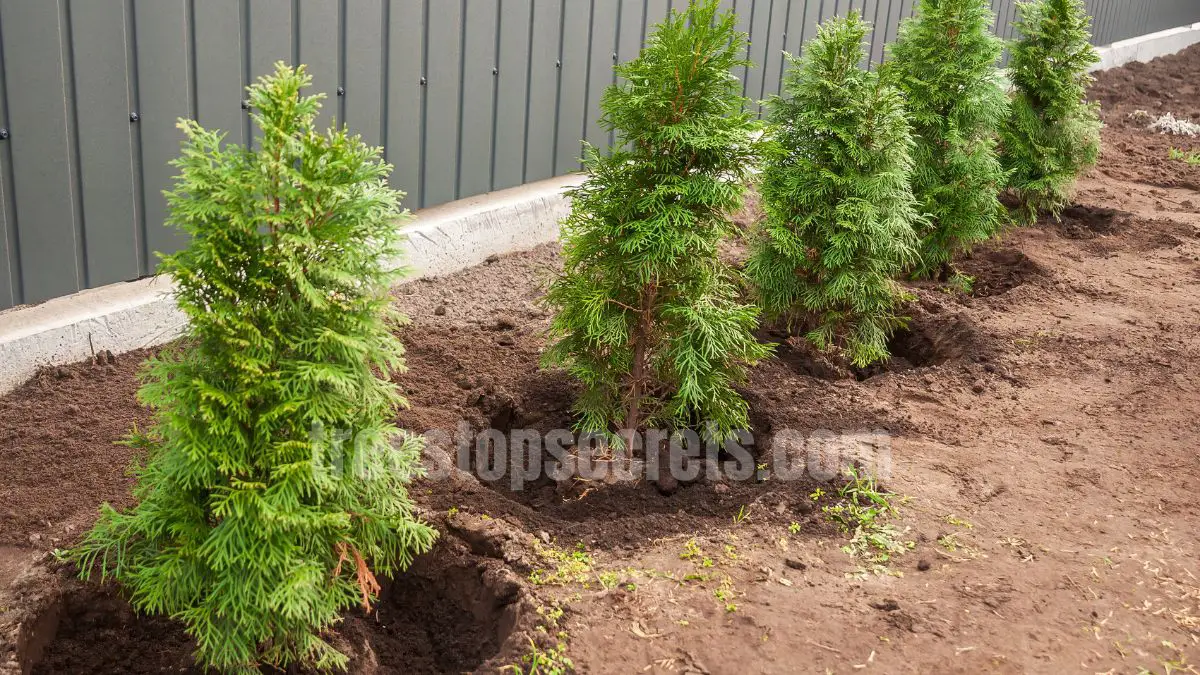
The Green Giant Arborvitae is one of the most popular trees for backyard privacy. Gardeners love it because it grows quickly, stays dense, and keeps its rich green color throughout the year.
This evergreen can grow 3 to 5 feet per year, eventually reaching 40–60 feet tall. Its tall, pyramidal shape makes it perfect for planting in rows along fences or property lines.
Another advantage is its toughness. It tolerates wind, heat, and a wide range of soils, making it a reliable choice for many landscapes.
2. Leyland Cypress
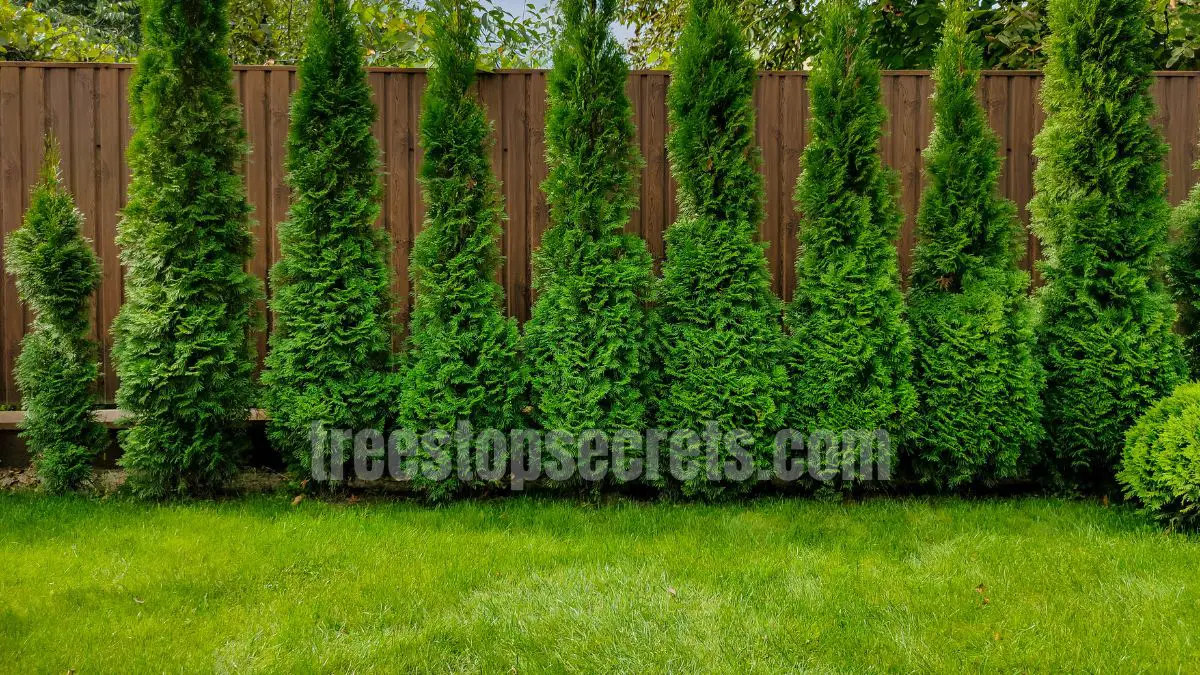
Leyland Cypress is another classic choice for a fast privacy screen. This evergreen tree is known for its feathery foliage and rapid growth, often reaching 3 to 4 feet per year.
When mature, it can grow 60 to 70 feet tall, creating a tall wall of greenery that blocks views and wind. Many homeowners plant them close together to form a living fence.
However, these trees grow best in full sun with good air circulation. In humid areas, proper spacing helps prevent disease problems.
3. Hybrid Poplar
If speed is your top priority, Hybrid Poplar is hard to beat. This tree can grow 5 to 8 feet per year, making it one of the fastest growing shade and privacy trees available.
Hybrid poplars grow tall quickly, often reaching 40 to 50 feet within a decade. Their broad canopy also provides excellent shade during summer.
One thing to remember is that poplars are relatively short-lived compared to slower trees. Many homeowners plant them as a temporary privacy solution while slower trees mature nearby.
4. Lombardy Poplar
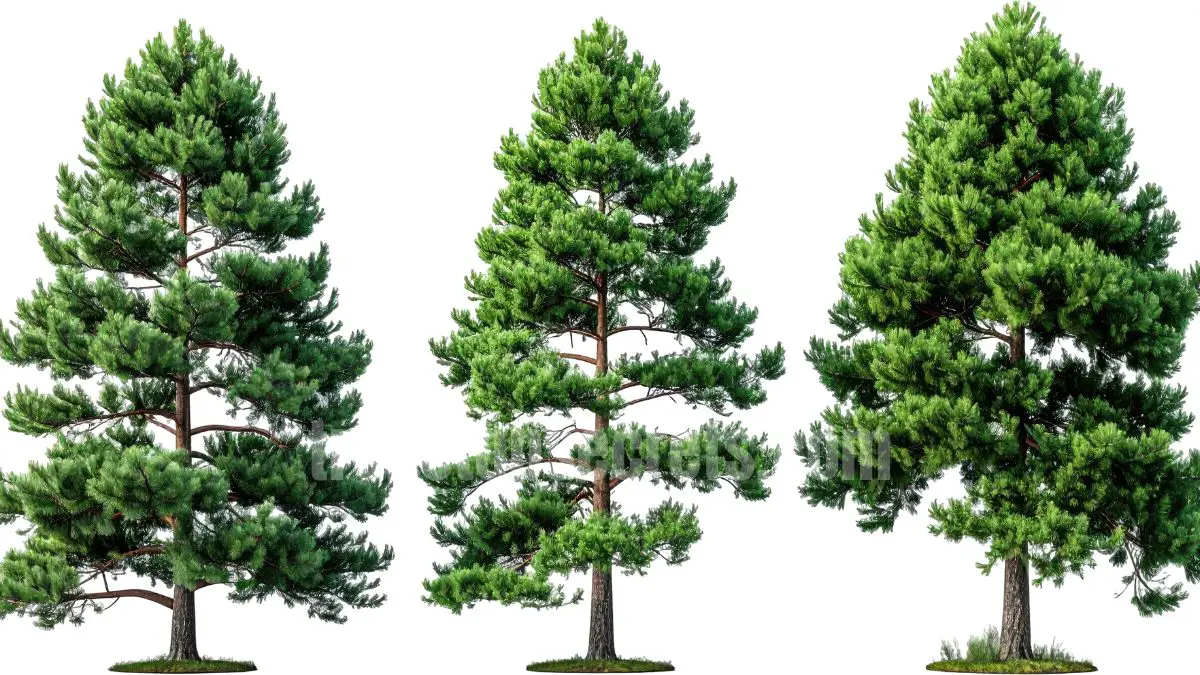
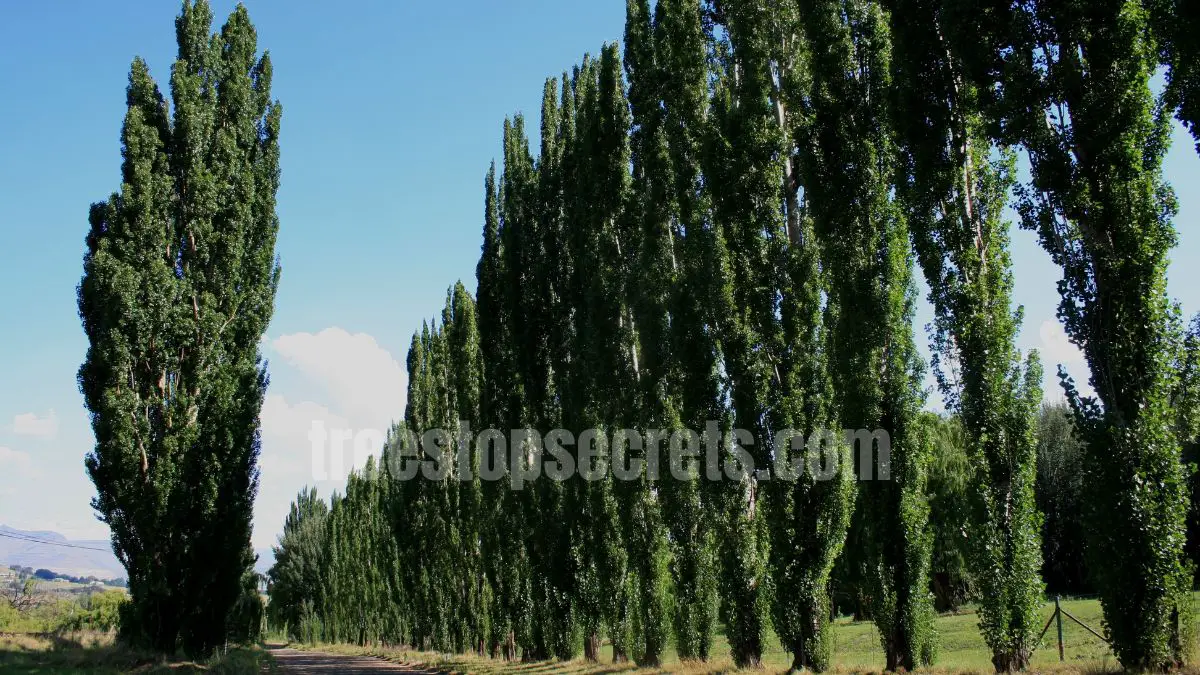
Lombardy Poplar has a very distinctive look. Instead of spreading wide, this tree grows tall and narrow, almost like a column.
Because of its upright shape, it’s perfect for creating a vertical privacy barrier without taking up too much yard space. Growth rates typically reach 4 to 6 feet per year, and mature trees may reach 40–60 feet tall.
You’ll often see Lombardy poplars planted in long rows along farms, driveways, or property edges.
5. Silver Maple
Silver Maple is a well-known shade tree that also works surprisingly well for privacy. It grows quickly—often 3 to 5 feet per year—and can reach heights of 50 to 70 feet.
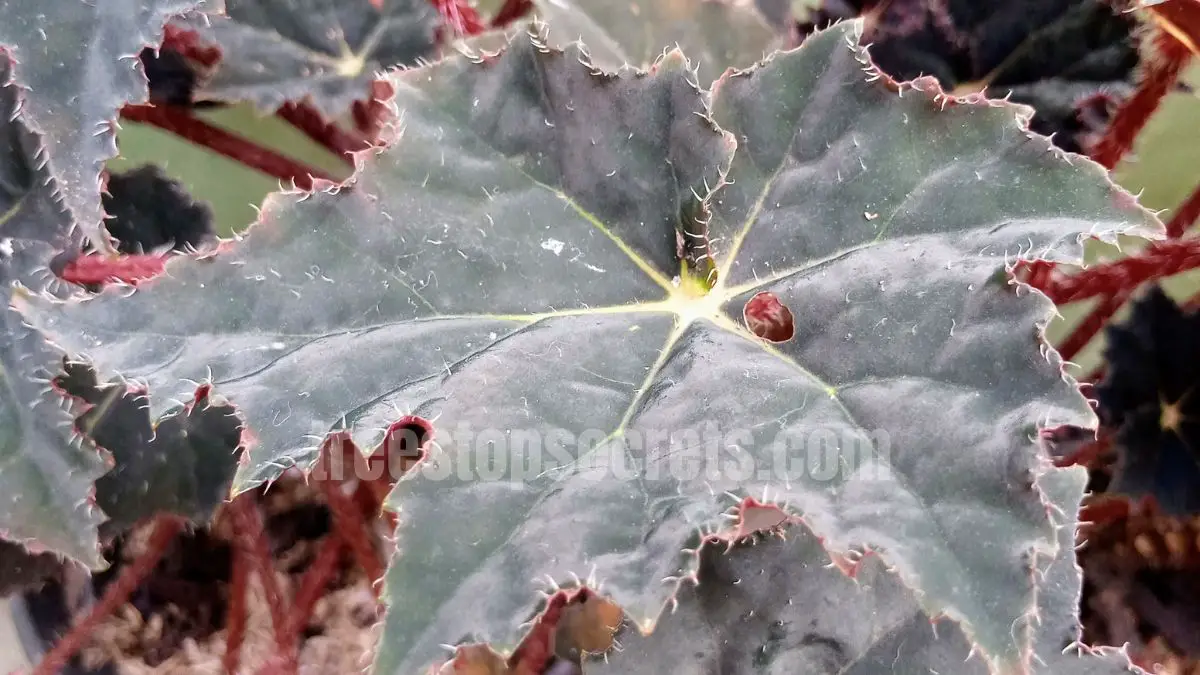
One easy way to tell this tree apart is by the silvery underside of its leaves, which flash in the wind and give the tree its name.
Because silver maples grow large and wide, they’re best suited for bigger yards where space isn’t limited.
6. Weeping Willow
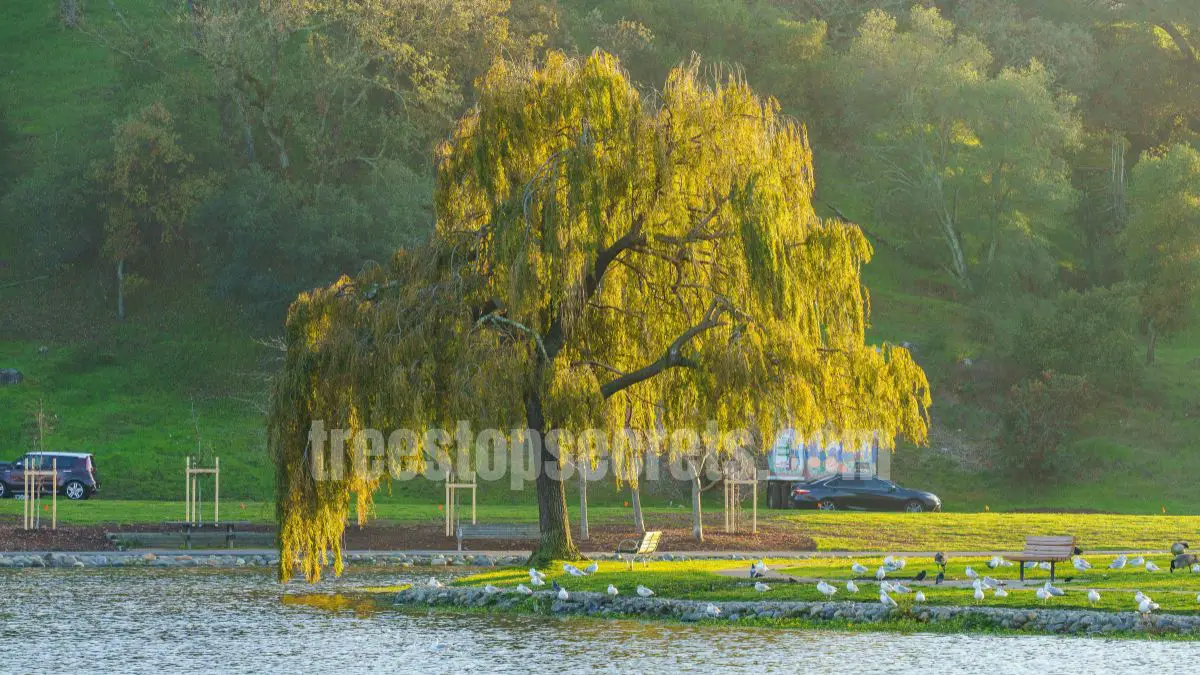
Few trees grow as gracefully as the Weeping Willow. Its long, sweeping branches create a soft curtain of foliage that can provide both privacy and beauty.
These trees grow 3 to 4 feet each year, often reaching 30–50 feet tall. In many cases, they grow fastest near water sources such as ponds or streams.
The cascading branches form a natural screen, especially when planted along the edge of a yard.
7. Eastern White Pine
Eastern White Pine is a tall evergreen that creates an excellent windbreak and privacy barrier. These trees grow about 2 to 3 feet per year and can eventually reach 50 to 80 feet tall.
Their soft, bluish-green needles give them a lighter appearance than many other evergreen trees.
Because they grow tall and somewhat wide, they work best when planted with plenty of spacing between trees.
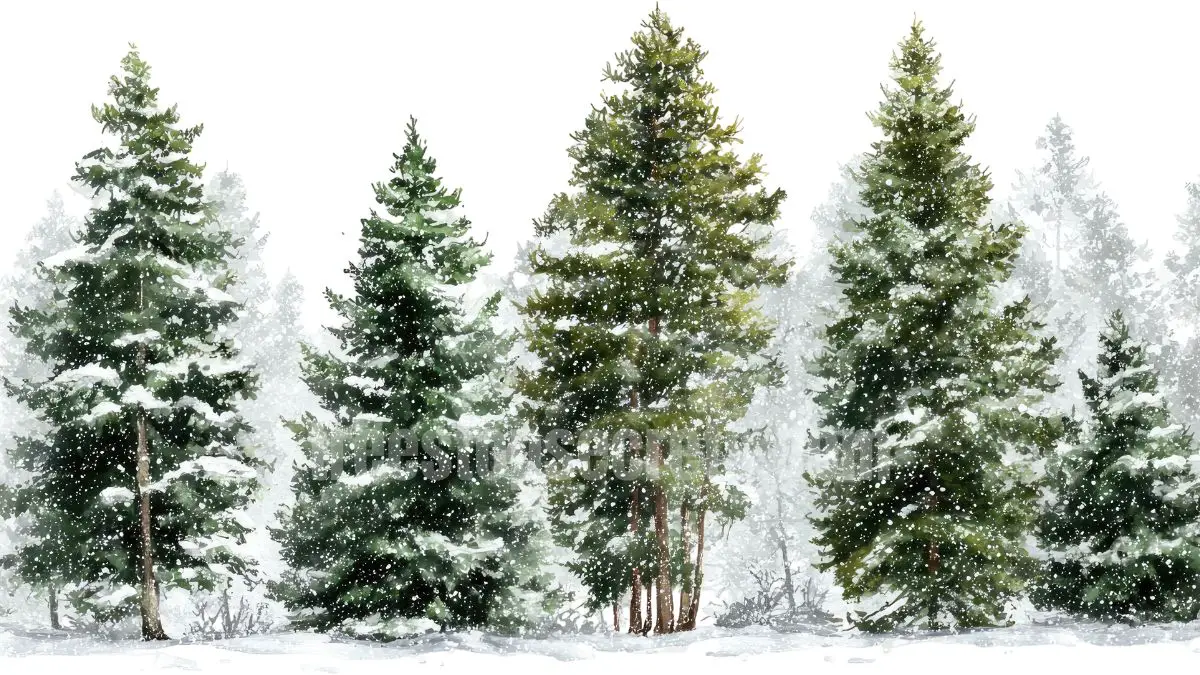
8. Thuja Green Giant
Thuja Green Giant is often listed separately from arborvitae because of its exceptional growth speed and durability.
Under good conditions, it can grow 3 to 5 feet per year, quickly forming a dense evergreen wall. Mature trees commonly reach 40–60 feet tall while remaining fairly narrow.
One reason this tree is so popular is its natural resistance to many pests and diseases, making it easier for beginners to grow.
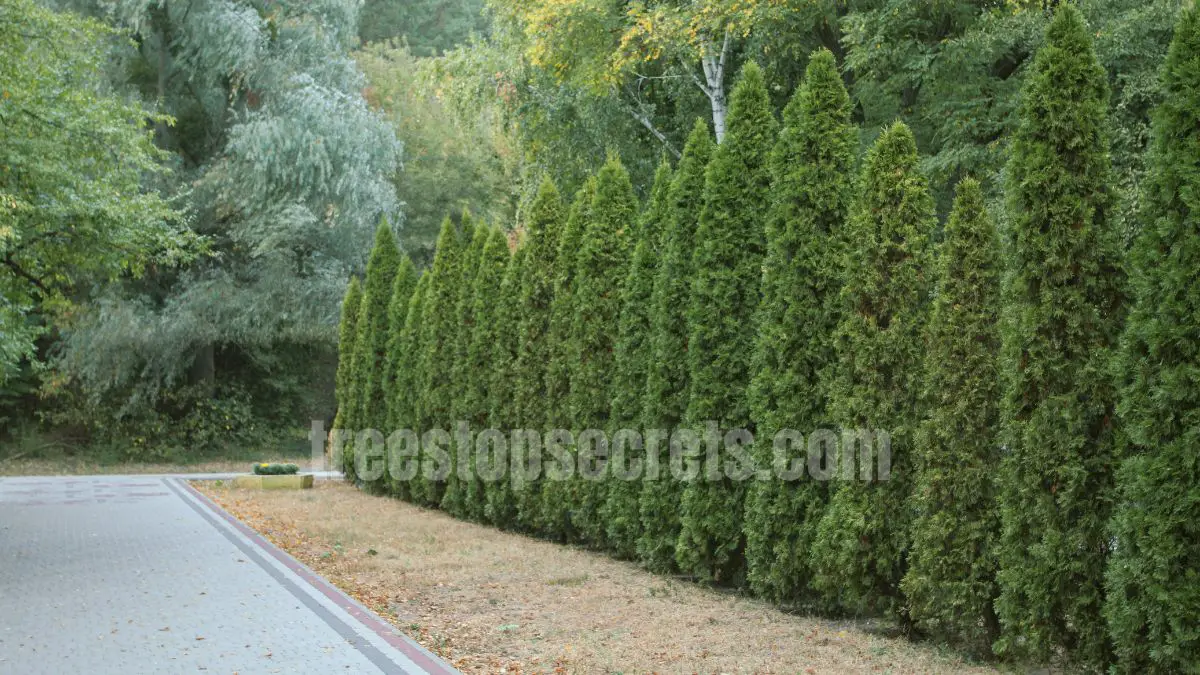
9. American Sycamore
American Sycamore is one of the largest native trees in North America. It grows quickly and develops a broad canopy that provides shade as well as privacy.
These trees can grow 2 to 4 feet per year and eventually reach 75 feet or more in height.
One easy way to identify a sycamore is by its patchy bark, which peels to reveal white, gray, and brown colors.
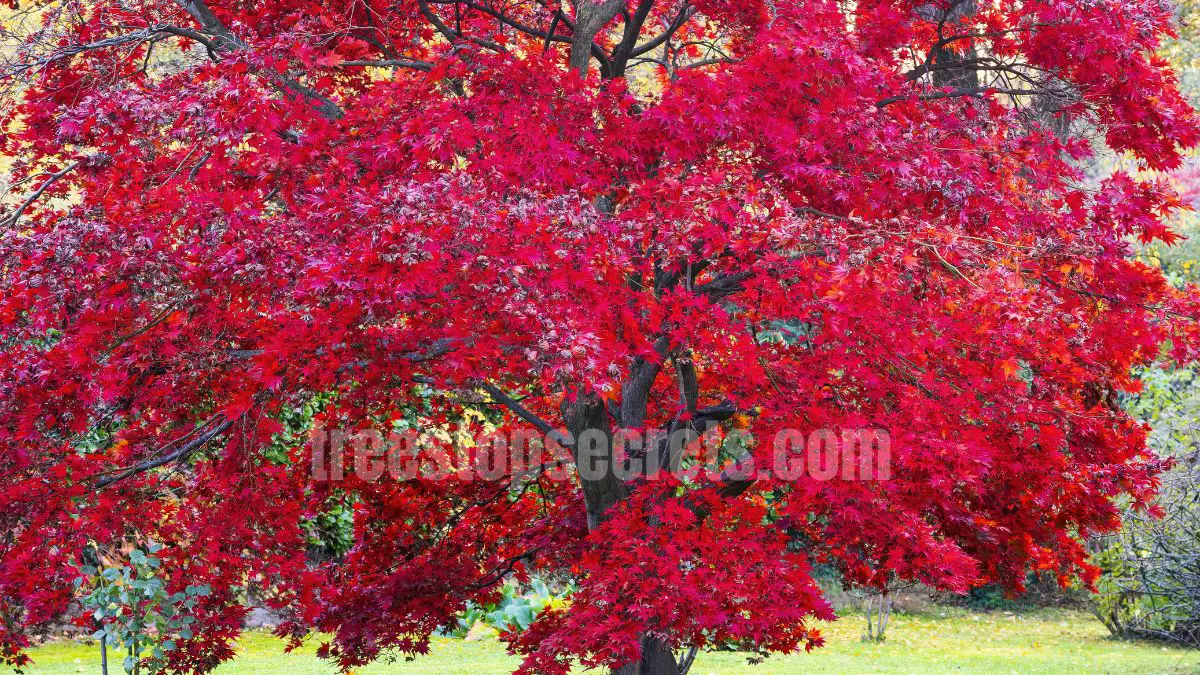
10. Red Maple
Red Maple is valued for both its fast growth and beautiful seasonal color. During autumn, the leaves turn brilliant shades of red and orange.
These trees typically grow 2 to 3 feet per year, eventually reaching 40 to 60 feet tall.
For homeowners who want both privacy and ornamental beauty, red maple is a great option.
11. Bamboo (Tree-Like Screening Option)
Although technically a grass, bamboo behaves much like a fast growing privacy tree. Some varieties can grow several feet in a single season.
Clumping bamboo varieties are especially popular for privacy screens because they grow upright and dense.
One advantage of bamboo is that it creates a very quick natural fence, often filling in within just a couple of years.

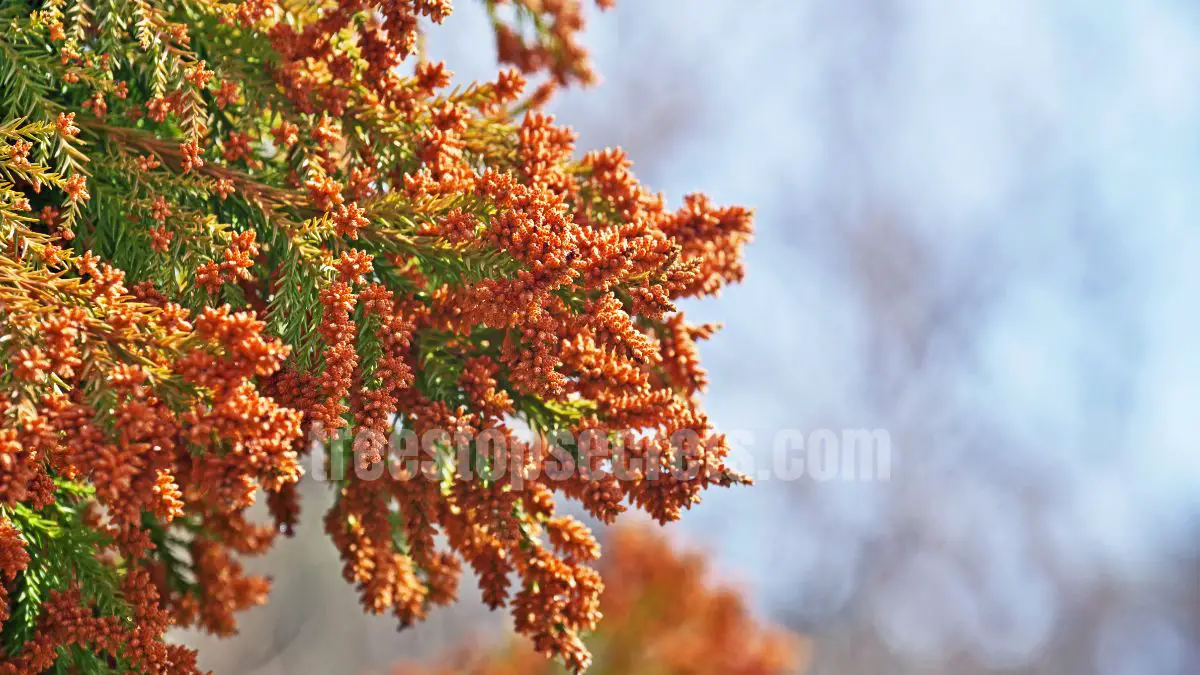
12. Cryptomeria (Japanese Cedar)
Cryptomeria, also known as Japanese Cedar, is a graceful evergreen tree with soft, feathery foliage.
It grows about 2 to 3 feet per year and can eventually reach 50–70 feet tall. The tree forms a narrow pyramidal shape that works well for privacy plantings.
In winter, the foliage may turn a slightly bronze color before returning to green in spring.
13. Eucalyptus
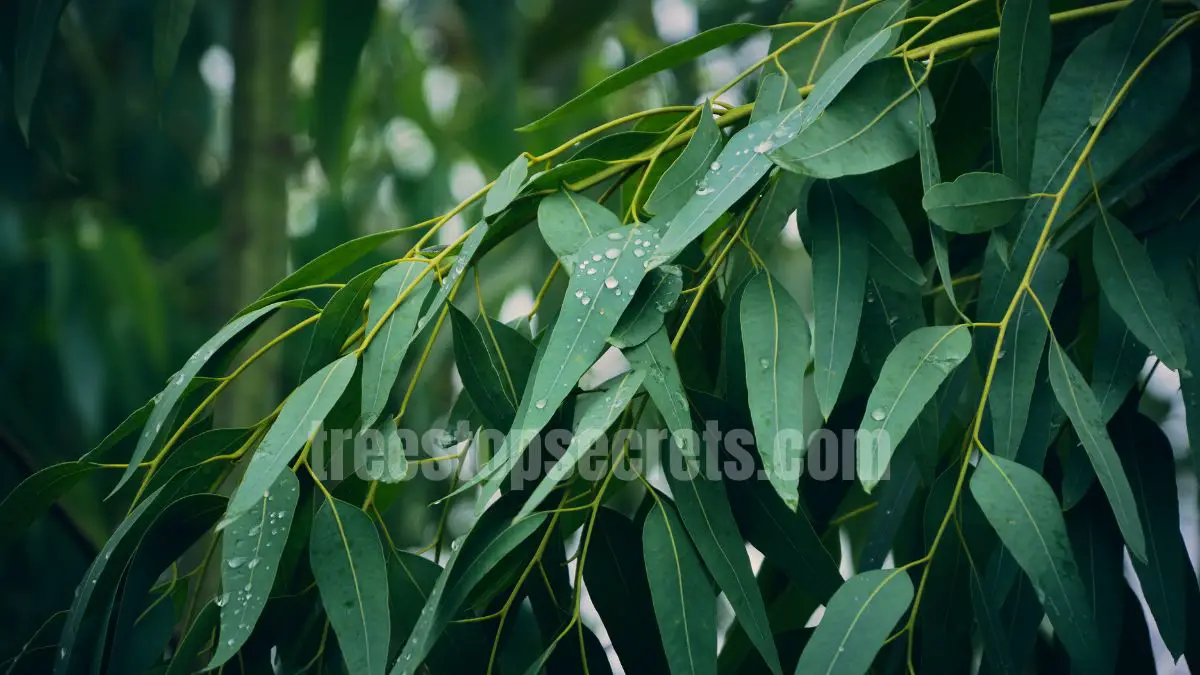
Eucalyptus trees are known for their rapid growth and aromatic leaves. In warm climates, some species can grow 4 to 6 feet per year.
These trees often develop tall, straight trunks with peeling bark and bluish leaves.
Because eucalyptus grows quickly and tall, it can form an effective privacy screen in the right climate.
14. Wax Myrtle
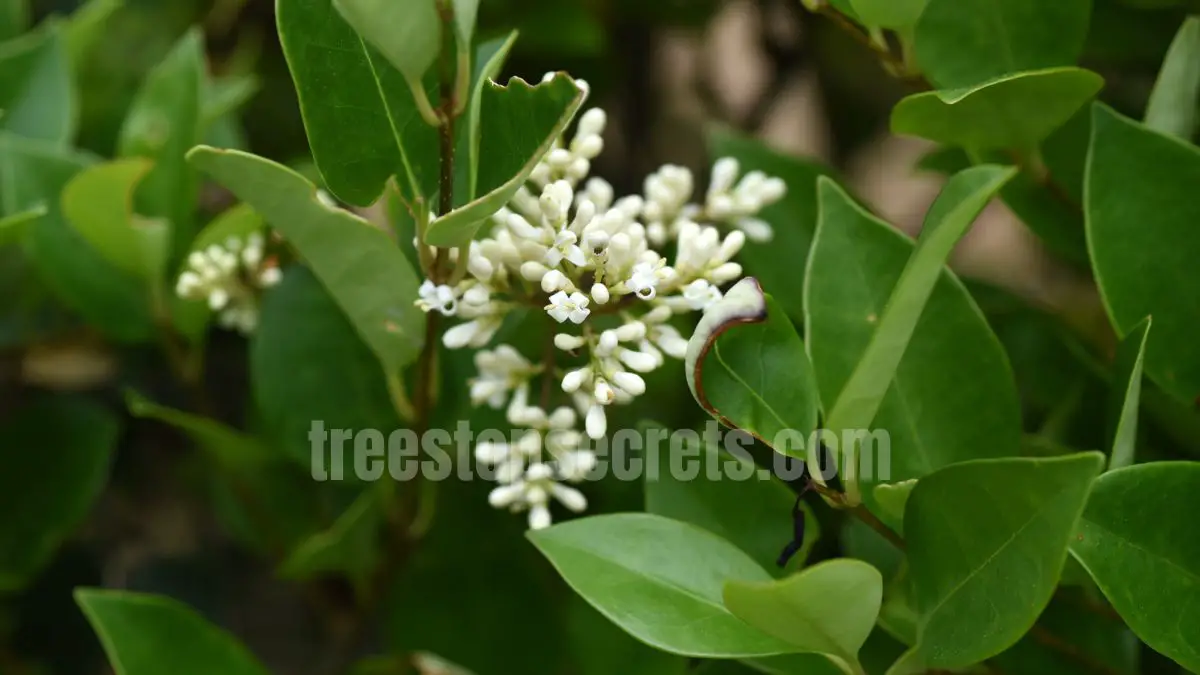
Wax Myrtle is a smaller evergreen tree that works well for medium-height privacy hedges.
It grows around 3 to 5 feet per year, often reaching 15–25 feet tall. The dense foliage creates a thick screen that remains green throughout the year.
Another benefit is its pleasant fragrance when the leaves are crushed.
15. Nellie Stevens Holly
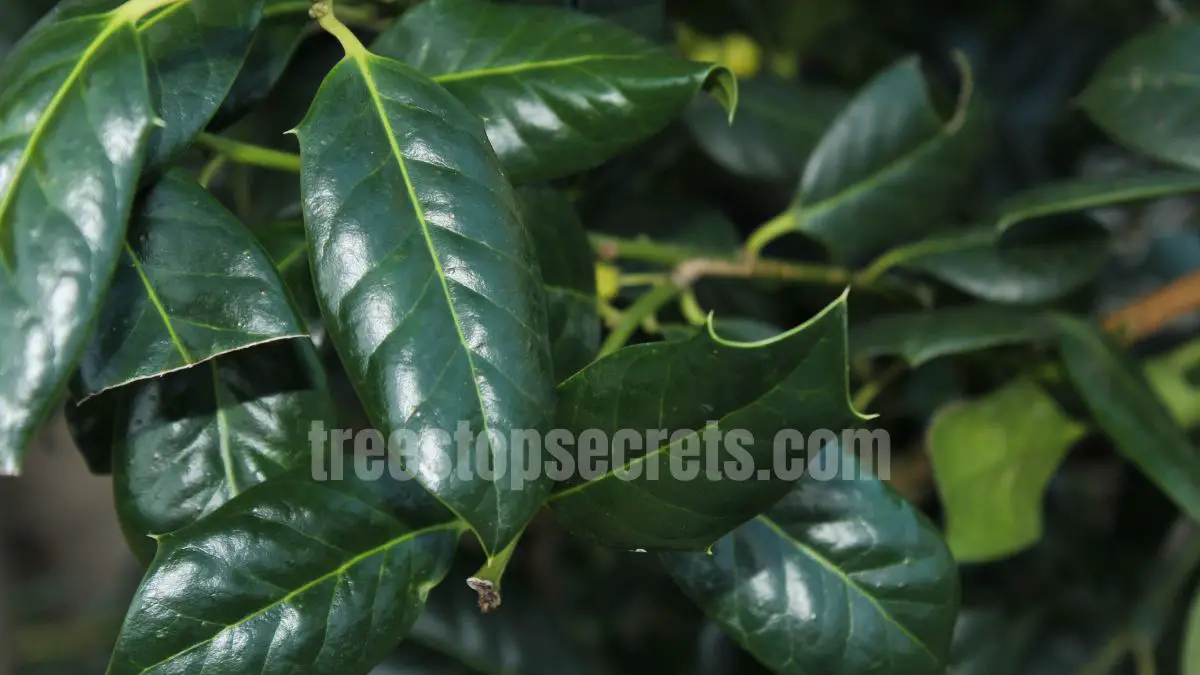
Nellie Stevens Holly is a popular evergreen privacy tree with glossy green leaves and bright red berries.
It grows 2 to 3 feet per year and typically reaches 20–30 feet tall. Because it stays dense from top to bottom, it forms an excellent natural barrier.
Birds are also attracted to the berries, which adds wildlife interest to the yard.
How Far Apart Should Privacy Trees Be Planted?
| Tree Type | Spacing |
|---|---|
| Arborvitae | 5–8 ft |
| Leyland Cypress | 8–10 ft |
| Hybrid Poplar | 10–15 ft |
Evergreen vs Deciduous Privacy Trees
Evergreen trees provide year-round privacy, while deciduous trees lose leaves in winter but often grow faster.
| Type | Example |
|---|---|
| Evergreen | Arborvitae, Cypress |
| Deciduous | Poplar, Maple |
Best Fast Growing Privacy Trees by Situation
Best Privacy Trees for Small Yards
- Emerald Green Arborvitae
- Italian Cypress
Best Privacy Trees for Large Yards
- Hybrid Poplar
- Leyland Cypress
Best Evergreen Privacy Trees
- Green Giant Arborvitae
- Leyland Cypress
Fastest Growing Privacy Trees
- Hybrid Poplar
- Silver Maple
How to Choose the Right Privacy Tree for Your Yard
Not every fast-growing tree will work well in every yard. The best choice depends on your climate, available space, and how quickly you want privacy.
Start by thinking about height and width. Some trees, like Lombardy Poplar, grow tall but stay narrow. Others, such as Silver Maple, spread wide and need plenty of space. If your yard is small, a narrow evergreen hedge may work better than a large shade tree.
You should also consider whether you want year-round privacy. Evergreen trees like arborvitae, holly, and cypress keep their foliage all year. Deciduous trees grow quickly but lose their leaves in winter.
Another factor is maintenance. Some fast-growing trees need regular pruning, while others naturally grow in a tidy shape.
Quick tips when choosing a privacy tree:
- Measure the space along your property line
- Check the mature height and spread
- Consider how quickly you want the screen to fill in
- Choose evergreen trees for year-round coverage
- Pick species suited to your local climate
Field Tip:
Plant privacy trees in a staggered row instead of a straight line. This helps the branches fill in faster and creates a thicker natural screen.
How to Plant Fast Growing Privacy Trees
Step-by-Step Guide
- Choose trees suited to your climate
- Measure spacing based on mature width
- Dig a hole twice as wide as the root ball
- Water deeply after planting
- Add mulch around the base
Common Mistakes When Planting Privacy Trees
- Planting trees too close together
- Choosing trees that grow too large for the yard
- Ignoring soil drainage
- Not watering young trees enough
Growing Conditions for Fast Privacy Trees
Even the fastest growing trees need the right conditions to thrive. Good soil, enough sunlight, and proper spacing make a huge difference in how quickly your trees establish.
Most privacy trees grow best in full sun, meaning at least six hours of direct sunlight per day. Sunlight encourages stronger growth and denser foliage, which is exactly what you want for a privacy screen.
Soil is another key factor. Many trees tolerate different soil types, but well-drained soil is usually best. If the ground stays too wet, roots can struggle to develop properly.
Spacing also matters more than many beginners realize. When trees are planted too close together, they compete for water and nutrients.
Basic planting tips for fast-growing trees:
- Space trees based on their mature width
- Water deeply during the first growing season
- Add mulch around the base to retain moisture
- Avoid planting directly against fences or walls
- Fertilize lightly in early spring if growth is slow
In many cases, young trees establish their root systems during the first few years. Once those roots are strong, growth above ground usually speeds up dramatically.
Frequently Asked Questions About Fast Growing Trees for Privacy
1. What is the fastest growing tree for privacy?
One of the fastest options is Hybrid Poplar, which can grow
5 to 8 feet per year under good conditions. It creates height quickly,
making it useful for immediate screening. However, it may not live as long as some evergreen privacy trees,
so many people use it as a temporary solution while slower trees mature.
2. Which evergreen trees grow the fastest for privacy?
Popular fast-growing evergreen trees include Green Giant Arborvitae,
Thuja Green Giant, and Leyland Cypress.
These trees can grow 3 to 5 feet per year and stay green year-round.
Because they keep their leaves in winter, they provide continuous privacy without seasonal gaps.
3. How close should I plant privacy trees?
Spacing depends on the species. In general, plant trees based on their
mature width, not their current size. For example, if a tree spreads 10 feet wide
when mature, spacing them 6–8 feet apart can help create a dense screen over time.
Always check the specific tree’s growth information before planting.
4. How long does it take to create a privacy screen?
Fast growing trees can start providing noticeable coverage in 2–3 years.
In many cases, a full privacy barrier develops within 5–7 years,
depending on the species and growing conditions. Proper watering, sunlight, and soil quality
can significantly speed up growth during the early years.
Conclusion
Fast growing trees are one of the best natural solutions for creating privacy in a yard.
Whether you choose evergreen options like Green Giant Arborvitae or fast growers such as
Hybrid Poplar, the right tree can quickly form a living screen. Some species provide year-round coverage,
while others grow extremely fast and offer shade along the way.
Before planting, think about your space, sunlight, and long-term goals.
A little planning now will help your privacy trees grow strong and healthy for years to come.
With proper care, your backyard can become quieter, greener, and more secluded in just a few seasons.
Image Source: Paid image from CANVA