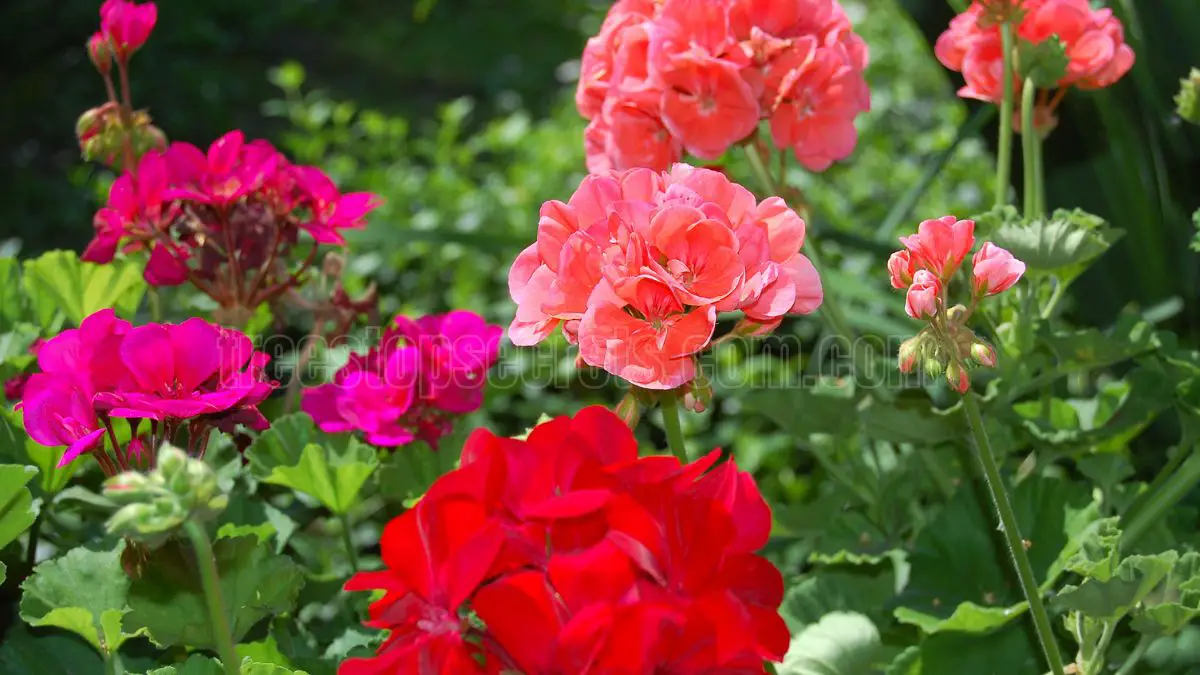
Geraniums are one of the most beloved flowering plants, cherished for their vibrant colors, continuous blooms, and surprising hardiness. Whether you're decorating a sunny patio, filling a window box, or adding color to a garden border, geraniums offer versatility and beauty.
This comprehensive guide will walk you through everything you need to know to select, plant, and maintain stunning geraniums, ensuring they thrive and brighten your space year after year.
📝 Key Takeaways for Geranium Success
-
Variety is Key: Get to know the different geranium types, including Zonal, Ivy-Leaf, Regal, Scented-Leaf, and Cranesbill, to choose the best fit for your space.
-
Planting Fundamentals: Ensure well-draining soil, sufficient sunlight (at least six hours), and consistent, but not excessive, watering.
-
Maintenance Matters: Deadheading spent blooms, regular pruning, and monitoring for pests are crucial for continuous health and flowering.
-
Adapt to Climate: Select varieties appropriate for your local climate and provide necessary protection from extreme heat or frost.
-
Modern Gardening: Utilize smart tools for efficient care and choose native geraniums (Cranesbill types) to support local pollinators and biodiversity.
Discovering Geranium Varieties
The term "geranium" often refers to plants in the Pelargonium genus, which are the common garden and houseplant types. Knowing the distinct characteristics of each major variety is the first step to a successful garden.
1. Zonal Geraniums (Pelargonium hortorum)
The most popular type, Zonal geraniums are known for their spectacular flower clusters and unique, horseshoe-shaped markings on their velvety leaves.
-
Look: Bright, intense colors ranging from red, pink, orange, and white; distinctly marked foliage.
-
Care Tip: To ensure healthy growth and good air circulation, space them 12 to 18 inches apart. Consistent deadheading (removing spent blooms) and feeding with a balanced fertilizer every two weeks during the growing season encourages non-stop flowering from spring to fall.
2. Ivy-Leaf Geraniums (Pelargonium peltatum)
The classic trailing geranium, perfect for adding a touch of elegance to hanging baskets and containers.
-
Look: Trailing habit with ivy-shaped leaves; smaller, abundant flowers.
-
Care Tip: They love bright, indirect sunlight. Be cautious not to overwater; they prefer their soil to be a little on the dry side between waterings. Frequent pruning will keep them bushy and encourage luxurious trailing growth.
3. Regal Geraniums (Pelargonium domesticum)
Often called "Martha Washington" geraniums, Regals are prized for their large, intensely beautiful, showy blooms.
-
Look: Large, opulent flowers, often with deep blotches or contrasting edges.
-
Care Tip: Regals prefer cooler, moist conditions, thriving best between 60°F and 70°F. They need consistent watering but must never be waterlogged, which can quickly lead to root rot. They are also more vulnerable to pests like aphids, so keep a close watch.
4. Scented-Leaf Geraniums (Pelargonium graveolens varieties)
Grown primarily for their wonderfully fragrant foliage, Scented-Leaf varieties can infuse your garden or home with distinct aromas like Rose, Peppermint, Citronella, or Lemon.
-
Look: Varied leaf shapes and textures; small, often inconspicuous flowers.
-
Care Tip: Plant them in well-draining soil and give them plenty of sun to maximize the concentration of their fragrant oils. Regular trimming not only keeps them shapely but also encourages the most fragrant new leaf growth.
5. Cranesbill Geraniums (Geranium genus)
These are the true, perennial geraniums. Hardy and reliable, they are excellent ground covers and often the best choice for supporting local wildlife.
-
Look: Varied growth habits from mounding to sprawling; typically five-petaled flowers.
-
Care Tip: Their requirements vary, but many thrive in partial shade and are much more cold-hardy than their Pelargonium cousins.
🪴 Cultivation Essentials: Making Your Geraniums Thrive
Growing healthy geraniums is simple once you master these basic fundamentals:
Sunlight Requirements
Geraniums flourish in full sun, meaning at least six hours of direct sunlight daily. While they tolerate a little afternoon shade in the hottest climates, insufficient light is a common cause of poor blooming and "leggy" growth.
-
Pro-Tip: If growing in containers, rotate the pots weekly to ensure all sides receive even light, preventing the plant from leaning.
Soil and Drainage
Geraniums are prone to root rot, making excellent drainage non-negotiable.
-
For Gardens: Opt for a loamy blend. Avoid heavy clay soils. Amend with organic matter like compost or peat moss to improve drainage and structure.
-
For Pots: Always use a high-quality potting mix for flowers and ensure your container has adequate drainage holes.
-
pH Check: Geraniums prefer a soil pH between $6.0$ and $7.0$.
Watering Techniques
The biggest mistake gardeners make is overwatering. Geraniums prefer to dry out slightly between waterings.
-
The Finger Test: Check soil moisture by sticking your finger an inch or two deep. If it feels dry, it's time to water.
-
Timing: Water early in the day. This allows the foliage and soil surface to dry before evening, which drastically reduces the risk of fungal diseases.
-
Drip Irrigation: This is highly effective for container geraniums, ensuring even moisture and minimizing water waste.
🛠️ Sustaining Health: Feeding, Pruning, and Winter Care
Consistent maintenance ensures your geraniums remain vibrant and productive throughout their lifespan.
Fertilization Strategy
Geraniums are active bloomers and benefit from regular feeding during the growing season (spring and summer).
-
Fertilizer Choice: A balanced NPK fertilizer (e.g., a $10-10-10$ ratio) is an excellent choice.
-
Application: Fertilize actively growing plants every 4 to 6 weeks. Always dilute the fertilizer according to package directions to prevent nutrient burn.
Pruning and Deadheading
Pruning is essential for shape and bloom production.
-
Deadheading: Remove spent, faded flowers immediately. This redirects the plant's energy away from seed production and into creating new buds, ensuring a continuous show of blooms.
-
Pruning for Shape: Prune back "leggy" (long and sparse) growth, especially in late summer. Use sterilized, sharp tools to encourage bushier growth and maintain an attractive, full plant.
Overwintering (For Pelargonium Types)
Since most garden geraniums are annuals, they must be brought inside before the first frost.
-
Timing: Move pots indoors when nighttime temperatures consistently drop below $45^\circ\text{F}$ ($7^\circ\text{C}$).
-
Winter Care: Place them in a cool, bright spot (night temperatures around $50^\circ\text{F}$ to $60^\circ\text{F}$). Water very sparingly until spring.
🐞 Troubleshooting Guide: Pests and Common Issues
Quick diagnosis and action can save your plants from common problems.
| Issue | Symptom | Common Cause | Fix/Treatment |
| Pest Infestation | White, cottony clumps (mealybugs); tiny flying insects (whiteflies) | Lack of regular inspection | Treat with insecticidal soap or neem oil every few days until cleared. Introduce beneficial insects like ladybugs. |
| Root Rot | Plant wilting despite watering; soft, brown roots | Overwatering, poor drainage | Immediately repot into fresh, well-draining soil. Ensure pots have drainage holes. Water at the base of the plant. |
| Yellowing Leaves | Yellowing foliage | Overwatering or nutrient deficiency | Adjust watering frequency. If symptoms persist, apply a balanced fertilizer. |
| Leggy Growth/No Blooms | Long stems, sparse leaves, few or no flowers | Insufficient sunlight | Move the plant to an area receiving at least 6 hours of full sun daily. Prune back leggy stems. |
🌿 Modern Geraniums: Indoors, Tech, and Ecology
Geraniums have adapted beautifully to modern trends, offering benefits beyond their appearance.
Indoor Growing Success
Geraniums are fantastic houseplants, but choose dwarf or miniature varieties for the best results in smaller spaces.
-
Light: Maintain at least six hours of bright, indirect light. Supplement with a grow light if necessary.
-
Humidity: They prefer moderate humidity (around $50\%$). Use a pebble tray or small humidifier during dry winter months.
Smart Gardening Tools
Utilize technology to simplify your geranium care routine:
-
Automated Watering: Drip irrigation systems or moisture sensors can help maintain perfect soil dampness without constant manual checks.
-
Gardening Apps: Use apps to set reminders for watering, fertilization, and pruning dates.
Ecosystem Support
Choosing the right geranium can benefit your local environment.
-
Attract Pollinators: Native Cranesbill geraniums (like Geranium maculatum) are excellent at attracting bees and butterflies, boosting your garden's biodiversity.
-
Natural Pest Repellent: The aromatic nature of Scented-Leaf geraniums can help naturally deter some garden pests, making them great companion plants.
Conclusion
Geraniums offer a wealth of rewards for minimal effort. By understanding the specific needs of your chosen variety and adhering to the fundamentals of sun, soil, and smart watering, you can cultivate vibrant, healthy plants that bring continuous color and life to your home and garden. Start experimenting today and watch your garden flourish!
Frequently Asked Questions (FAQ)
What are the best varieties of geraniums for beginners?
Zonal geraniums and Ivy-Leaf geraniums are highly recommended for beginners. They are robust, forgiving of minor mistakes, and adapt well to various container and garden settings.
How often should I fertilize my geraniums?
During the active growing season (typically spring and summer), fertilize your geraniums with a balanced, water-soluble fertilizer every 4–6 weeks. Stop fertilizing during the winter dormancy period.
What is the easiest way to propagate geraniums?
The most reliable method is through stem cuttings. Take a $4-6$ inch cutting, remove the lower leaves, and place the stem in either moist potting mix or a glass of water until roots form.
Why are my geraniums not blooming?
The most common reasons are a lack of sufficient sunlight (they need at least six hours daily) or a fertilizer imbalance (too much nitrogen, which encourages leaf growth over flowers).
Image Source: Paid image from CANVA